
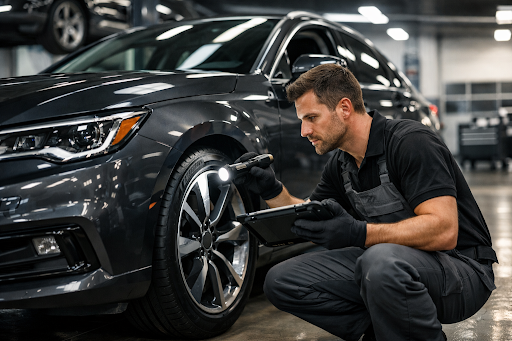
A vehicle inspection typically costs between $10 and $200, depending on the type of check and the state you live in. A basic safety inspection runs $10–$75, an emissions test costs $20–$75, and a combined safety and emissions check falls between $30–$100. If you're buying a used car, a pre-purchase inspection runs $100–$200.
Costs are state-regulated in most cases, so what you pay in Texas will look very different from what someone pays in New York or California.
The good news? It's one of the more affordable parts of owning a car. And skipping it can end up costing you a lot more down the road. Here's everything you need to know to make informed decisions and get peace of mind.
What Is a Vehicle Inspection?
A vehicle inspection is a check conducted by a licensed technician to ensure your car is safe to drive and meets your state's standards. Depending on where you live, you may need a safety inspection, an emissions inspection, or both.
During a safety inspection, the inspector looks at your brakes, tires, lights, steering, and other key parts. An emissions inspection checks what's coming out of your exhaust to make sure your car isn't polluting more than allowed.
Both types confirm that your vehicle meets safety standards set by your state. Inspections are performed by ASE-certified technicians at licensed inspection stations that follow state DMV guidelines, so you can trust that the results are consistent and accurate.
How Much Does a Vehicle Inspection Cost?
Most drivers pay between $10 and $200 for a vehicle inspection, depending on the type and their state.
|
Inspection Type |
Typical Cost |
|
Basic Safety Inspection |
$10 – $75 |
|
Emissions / Smog Check |
$20 – $75 |
|
Safety + Emissions Combined |
$30 – $100 |
|
Pre-Purchase Inspection |
$100 – $200 |
A basic safety inspection is the cheapest. States like Texas charge around $7–$40, while New York's inspection fee sits near $21 for safety only. Smog checks and emissions tests vary more because the equipment used is more specialized.
If you're buying a used car, a pre-purchase inspection from an independent mechanic costs $100–$200 and is worth every penny.
What you'll pay also depends on your city, the shop you choose, and whether your car needs any follow-up work. Always call ahead to confirm the inspection cost before you show up.
What's Included in a Vehicle Inspection?
A complete vehicle inspection covers more than most people expect. Here's what technicians typically check:
-
Brakes: pad thickness, rotors, brake fluid
-
Tires: tread depth, pressure, and signs of wear and tear
-
Suspension & steering: shocks, struts, tie rods
-
Exhaust & emissions: pipe condition, emission output levels
-
Fluid levels: oil, coolant, brake fluid, transmission fluid
-
Lights & wipers: headlights, brake lights, turn signals
-
Safety features: seatbelts, horn, mirrors
-
Check engine light: a diagnostic scan if the light is on
-
Transmission basics: leaks, engagement, shifting
Some inspections also check the battery, fuel lines, and the condition of the windshield. The goal is to catch any basic safety issues before they become bigger problems. A good technician will walk you through anything they find.
How Much Does Vehicle Inspection Cost Vary by State?
Yes, quite a bit. State vehicle inspections are controlled by local laws, so what's required (and what it costs) varies by state.
Some states require both safety and emissions inspections every year. Others only require one or the other. A few states, like Florida and South Carolina, don't mandate annual vehicle inspections at all.
Costs differ more than most people realize. Here's a quick look at what drivers pay in some of the most populated states:
|
State |
Safety Inspection |
Emissions Test |
|
Texas |
$7 – $40 |
Included |
|
North Carolina |
$13.60 |
$30 |
|
New York |
$21 |
$27 |
|
Pennsylvania |
$40 – $80 |
$25 – $40 |
|
California |
Not required |
$30 – $75 |
Fees are state-regulated in most cases, so licensed inspection stations within the same state typically charge similar prices.
Your state's DMV (Department of Motor Vehicles) sets the rules and often caps the price shops can charge. That's why you might pay $12 in one state and $75 in another for a similar inspection.
Hybrid and fully electric vehicles are often exempt from emissions inspections because they produce little to no tailpipe emissions. If you drive an EV, check your state regulations, you may qualify for an exemption and skip the emissions test entirely.
Free and Discounted Inspections
Not every inspection has to cost you. There are a few ways to get a free car inspection or save on the cost:
-
Dealerships often offer free multi-point vehicle checks when you bring your car in for an oil change or routine service.
-
Auto care chains like Firestone, Jiffy Lube, and Pep Boys sometimes run free basic inspection promotions.
-
Many local auto services offer coupons and loyalty programs, with discounts for repeat customers or for signing up for their email list.
-
Some states also offer discount programs for low-income drivers who need emissions repairs after a failed test.
A free car inspection won't replace an official state inspection, but it's a great way to catch small issues early, before they turn into costly repairs.
What Happens If Your Vehicle Fails Inspection?
Before you head to the inspection station, it helps to know what commonly causes a vehicle to fail. Watch out for these:
-
Check engine light is on
-
Brake pads are worn, or rotors are damaged
-
Tires have low tread depth or uneven wear
-
One or more lights are out (headlights, brake lights, signals)
-
Exhaust is visibly smoking or has a leak
-
The windshield has a crack in the driver's line of sight
-
Emission levels are above the legal limit
If any of these apply to your car, get them looked at before your inspection. Walking in prepared saves you the cost and hassle of a second visit.
Failing an inspection isn't the end of the world, but you do need to take action. If your vehicle fails, you'll need to get the necessary repair done before it can pass.
Most states give you a window, usually 30 to 60 days, to fix the problem and return for a second inspection, sometimes at a reduced or waived fee.
If you keep driving with a late inspection or skip it altogether, you risk fines, registration issues, or even getting pulled over. Some states also offer a waiver if repair costs are too high and your car still can't pass, but this is only for emissions, and rules vary by state.
The key is compliance. Fix what's flagged, and get it done on time.
How to Save Money on Your Vehicle Inspection?
Checkup costs are already low, but there are a few easy ways to pay even less:
-
Book early, don't wait until your registration deadline. Last-minute checks at busy shops sometimes cost more
-
Use a state-licensed independent shop instead of a dealership, which often charges less for the same assessment
-
Bundle with an oil change, many shops offer a discounted or free vehicle check when you're already in for routine service
-
Check for coupons, auto care chains like Jiffy Lube and Firestone, regularly post deals on their websites
-
Ask about re-check fees upfront, if your car is borderline on something, knowing the re-check policy saves you from a surprise charge later
Small moves like these won't dramatically change what you pay, but over several years of annual checkups, they add up.
So, Is a Vehicle Inspection Worth It?
Vehicle inspection costs are low, usually under $100, but the value they provide is huge. Regular inspections keep your car running smoothly, help you catch small issues before they grow, and keep you legal on the road.
Whether it's a yearly state inspection or a pre-purchase check on a used car, find a trusted auto repair shop or inspection station near you and get it done. A little money now means a lot fewer headaches later. That's real peace of mind.
Frequently Asked Questions (FAQs)
How much does a basic car inspection cost?
A basic safety inspection usually runs between $10 and $75, depending on your state. Some states, like Texas, cap the fee at $7–$40, while others charge a flat rate set by the DMV.
What does a full vehicle inspection include?
A full inspection covers your brakes, tires, suspension, exhaust, fluid levels, lights, seatbelts, and a diagnostic check for warning lights. The technician is looking for anything that affects your safety or doesn't meet state standards.
Is a car inspection worth it?
Yes, without question. A $30–$75 inspection can catch a brake problem or fluid leak before it turns into a $1,000+ repair. It also keeps you legal on the road and protects everyone around you.
What will cause a vehicle to fail inspection?
Common reasons include worn brake pads, bad tires, a lit check engine light, failing emissions levels, broken lights, or cracked windshields. Most issues are fixable, the inspector will tell you exactly what needs to be repaired.
How much is a vehicle assessment in North Carolina?
In NC, a safety-only inspection costs $13.60, and a safety-plus-emissions inspection costs $30. The fee is state-regulated, so most licensed inspection stations charge the same price across the board.
Do you still need state inspections in Texas?
Yes. Texas requires an annual vehicle inspection for most registered vehicles. The fee varies slightly by county and vehicle type, but most passenger cars pay around $7–$40 for the inspection sticker.
Do you pay for a failed inspection?
In most states, yes, you still pay the inspection fee even if your car fails. However, many states offer a free or reduced-cost re-inspection once you've completed the required repairs, so you're not paying full price twice.
Read more
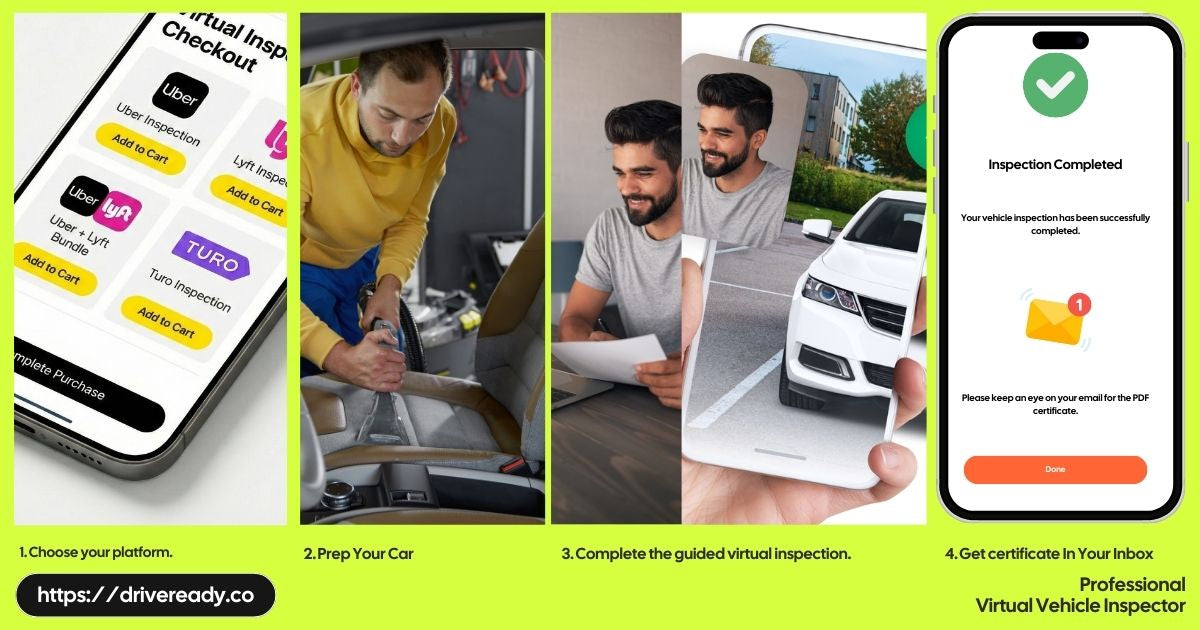
Wasting time at a mechanic shop is a thing of the past. Discover how to get your Uber, Lyft, or Turo vehicle inspection completed in under 15 minutes using just your smartphone. No waiting rooms, n...

This is a hands-on, eyes-on physical walkthrough of everything that keeps your car controllable and predictable on the road. A certified technician works through each system methodically: